Nutrition World > Blog >
Why Strength Training Matters for Heart Health as You Age
This is a summarized version of the popular radio show of 8+ years with Ed Jones and Clint Powell, Vital Health Radio Podcast.
When most people think about protecting their heart as they get older, they think about cardiovascular exercise: walking, jogging, cycling, or spending time on the treadmill. However, while staying active is certainly important, there’s another element of health that deserves more attention than it usually gets. It’s time to talk about strength training.

Maintaining healthy muscle as we age isn’t just to look strong or stay physically capable. In fact, research suggests that the condition of our muscles may also affect cardiovascular health and longevity.
Study: Strong Muscles Support a Healthier Heart
One of the studies discussed on the program looked at the relationship between muscle condition and cardiovascular outcomes. Researchers found that people with healthier chest and back muscles had a significantly lower risk of heart attack and early death over the following 10 years.
Interestingly, the emphasis wasn’t simply on how large the muscles were. The condition of the muscle appeared to be particularly important.
Muscle tissue can contain varying amounts of fat, and the study suggested that having less fat within the muscle fibers was associated with better cardiovascular outcomes. This brings out an important factor to elevate: building healthy muscle isn’t about the size of those muscles, but rather how strong, functional, and metabolically healthy they are – especially as you age.
The Role Muscle Plays as We Get Older
Muscle plays an important role in maintaining physical function throughout life. Strong legs, for example, have been associated with better quality of life as people age. Being able to get up from a chair, climb stairs, carry groceries, work around the house, or simply move through daily life with confidence depends on having adequate strength.

This makes it easy to see why physical activity isn’t an all-or-nothing proposition. You don’t have to become a bodybuilder to benefit from resistance training. Instead of “gains,” we’d do better to focus on maintaining the strength we need for better quality of life.
Walking Is Great (But Don’t Stop There)
Walking is one of the simplest and most accessible forms of exercise. For that reason, regular movement is an important part of a healthy lifestyle. But walking alone doesn’t provide the same stimulus as resistance training. If your goal is to maintain or build muscle, your muscles need to be challenged against resistance.
That could mean traditional weightlifting, resistance machines, resistance bands, bodyweight exercises, or other forms of strength training.
What you’re really trying to do is to give your muscles a reason to stay strong.
Likewise, activities such as yoga, Pilates, and mobility work can be valuable additions to an overall fitness routine. They can help support movement, flexibility, balance, and body awareness.
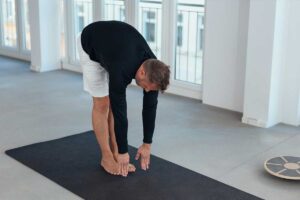
Rather than viewing these forms of exercise as competing with strength training, think of them as complementary. Some of the most physically strong people we know only do traditional weightlifting one day a week – with the other days devoted to yoga, stretching, and balance work.
Strength Training Becomes Even More Important With Age
One of the biggest mistakes people can make is assuming that getting older means they should simply slow down and become less physically capable. While your body will naturally change with age, strength training is one way to work against the gradual loss of physical capacity that can accompany aging.
You don’t need to train like a professional athlete, just be consistent!
A few well-chosen resistance exercises performed regularly can be much more valuable than an intense workout routine that you cannot maintain. True strength is functional. It helps determine what you can do with your body. For instance, joints weaken and age. For many people, aging knees become constantly painful. But strong muscle around those joints can take the load off them and help painful knees become just “creaky” – but surprisingly tolerant of physical exertion.

Even more basic: can you lift something off the ground? Carry a suitcase? Get up from the floor? Climb a flight of stairs? Maintain your balance? Get into and out of the car comfortably? These are the kinds of abilities that become increasingly valuable the older we get.
Don’t Wait Until You Start Declining
One of the best things about strength training is that you don’t have to wait until you notice a decline in strength to begin. Start where you are.
If you’ve never lifted weights before, begin with basic movements and manageable resistance. If you already exercise regularly, consider whether your routine includes enough resistance training to maintain your strength.
Progress over perfection. Strength over size. Activity over atrophy.

Taking care of your muscles today can yield dividends in the near future – and beyond. It’s time to get started! Naturally, if you’re older or have existing health concerns, it’s always appropriate to discuss a new exercise program with your healthcare professional.
Visit nutritionw.com for a complete selection of vetted health and nutritional supplements to support your health.
This article is based on a discussion featured on Vital Health Radio with Ed Jones. It is intended for educational purposes and is not a substitute for individualized medical advice. Click here to listen to the full podcast episode.